What is Native Path Collagen Powder?
Native Path Collagen Powder is a search name commonly used for NativePath Original Collagen Peptides, a powdered supplement made from bovine collagen. The brand describes its original formula as hydrolyzed collagen from grass-fed, pasture-raised cattle. Rather than being a meal replacement or a flavored shake, the original product is intended to be added to drinks or food. Understanding that distinction is a useful starting point: collagen is an optional addition to a routine, not a substitute for a varied diet, physical activity, sleep, or medical care.
According to the brand’s product information, a serving provides 10 grams of collagen peptides, including types I and III. Packaging, serving directions, and formulations can change, so read the label on the exact jar you receive. This guide explains the category and practical considerations without promising a particular health result. Brand descriptions tell you what a company sells; independent research helps you evaluate what that product category may realistically do.
Understanding collagen and collagen peptides
Collagen is a structural protein found naturally in connective tissues, including skin, tendons, cartilage, and bone. The body makes collagen using nutrients obtained from food. Different collagen types occur in different tissues, and the type numbers on a supplement should not be interpreted as instructions directing the supplement to a specific part of your body. A powder containing types I and III does not automatically rebuild skin or repair a joint simply because those tissues contain collagen.
The word hydrolyzed means that larger protein chains have been broken into smaller fragments called peptides. This processing makes a powder easier to incorporate into foods and beverages than ordinary gelatin in many circumstances. After you swallow it, digestion continues to break down proteins and peptides. The resulting building blocks enter broader metabolic processes. That is why explanations claiming that collagen travels intact straight to wrinkles or sore knees oversimplify how nutrition works.
A closer look at the original formula
NativePath presents its original collagen peptides as a single-ingredient, unflavored bovine formula. The brand also describes the product as free from several common additives and allergens, including dairy, soy, and gluten. These descriptions can help shoppers compare options, but the current ingredient list and allergen statements remain the most important source for your purchase. A flavored collagen blend, a different jar size, or another product from the same brand may have a different composition.
Bovine sourcing means the powder comes from cattle, so it is not vegan or vegetarian. Grass-fed and pasture-raised describe aspects of the ingredient’s origin; they do not, by themselves, prove a larger clinical benefit. If religious certification, animal welfare standards, traceability, or independent testing matter to you, ask the seller for documentation specific to the product. Avoid assuming that an attractive label confirms every quality characteristic you care about.
What the research can and cannot tell you
Collagen supplements are studied for outcomes such as skin hydration, elasticity, and joint discomfort. Some trials have reported improvements, but the overall picture is more cautious than many advertisements suggest. Studies can be small, short, use different doses and formulations, or receive industry funding. A positive result for one preparation in a particular group does not establish that every collagen powder produces the same result for every person.
Harvard Health and Cleveland Clinic both encourage a measured approach to supplement claims. Evidence about collagen supplements as a category is not the same as an independent trial of NativePath’s exact original powder. Look for the actual outcome measured, the comparison group, the study length, and whether researchers examined outcomes important to everyday life. A statistically significant laboratory measurement may not translate into a noticeable improvement. Marketing language should not replace that more careful assessment.
Skin, hair, and nails: realistic expectations
Skin is one of the most visible reasons people become interested in collagen. Some research suggests possible effects on hydration or elasticity, but benefits are not guaranteed and findings remain limited. Skin appearance also reflects sun exposure, genetics, smoking, nutrition, age, and many other factors. Sunscreen and other evidence-based skin care practices should not be set aside because you have started taking a supplement.
Hair and nail promises deserve particular scrutiny. Strong claims about reversing hair loss, preventing balding, or repairing damaged nails are not established by general collagen research. Hair loss and nail changes can have nutritional, hormonal, dermatological, or medication-related causes. A clinician can help investigate persistent changes rather than guessing that collagen is the answer. Treat a supplement as a possible food-related choice, not a diagnosis or a guaranteed cosmetic treatment.
Joint comfort and an active lifestyle
People with active routines sometimes consider collagen because connective tissues are involved in movement. Research into joint discomfort is ongoing, and some studies report potential benefits in particular settings. However, those findings should not be turned into promises that a powder heals an injury, rebuilds cartilage, or treats arthritis. Product labels and advertising cannot tell you what is causing your pain.
If a joint is swollen, painful, unstable, or limiting normal activity, seek appropriate medical advice. Exercise tailored to your situation, rehabilitation when indicated, and overall nutrition may be more important than any single supplement. Collagen also should not replace complete protein foods in an exercise nutrition plan. It does not provide all essential amino acids in the way a complete protein does, so its role differs from protein sources commonly used to meet broad muscle-building nutrition needs.
How to add collagen to everyday drinks
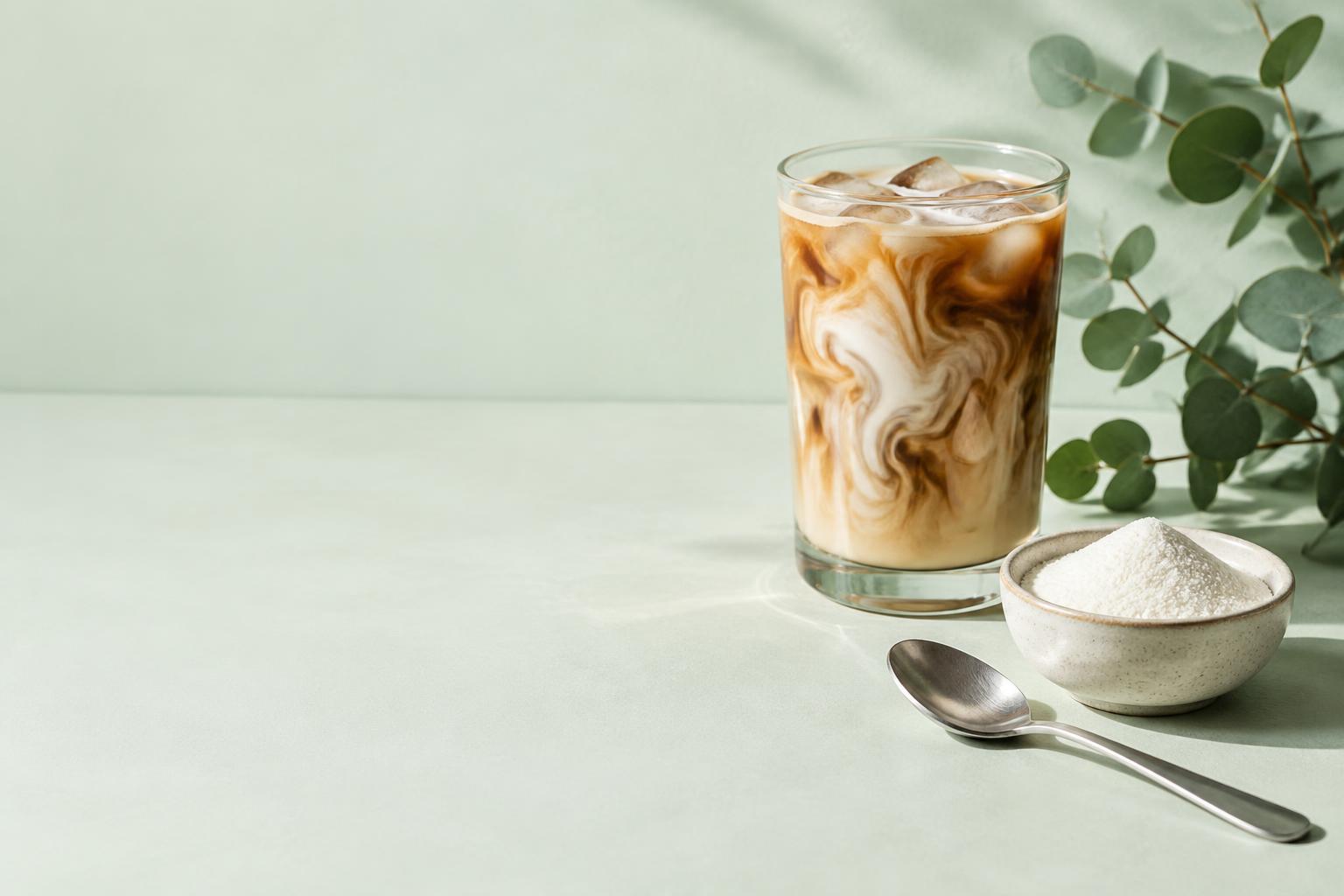
For many people, the most useful feature of an unflavored powder is convenience. You can consider mixing it into coffee, tea, a smoothie, or another drink that fits the package directions. Begin with the serving guidance on your actual jar rather than a dose recommended in a social post. Using more is not automatically more effective, and a routine should remain comfortable and affordable.
To reduce clumps, try adding the powder gradually while stirring. A small amount of liquid can help form a smooth mixture before you add the rest of the drink. Cold drinks may need more mixing, and the texture can vary with the recipe. A frother can help, but it is not a requirement. Be careful when handling hot liquids and do not seal a hot drink in a container that could build pressure when shaken.
Simple food ideas beyond your morning coffee
If you do not drink coffee, there are other ways to consider using collagen powder. Stir it into oatmeal after preparing it, blend it into a fruit smoothie, or incorporate it into yogurt if those foods suit your diet. An unflavored label does not mean every person perceives absolutely no taste or texture. Test a small portion first rather than changing a whole batch of food.
Keep the rest of the meal nutritionally balanced. Oatmeal can include fruit and nuts; a smoothie can include a suitable complete protein source and fiber-rich ingredients. The point is not to build every meal around a supplement, but to choose an existing habit where the powder is easy to use if you want it. Avoid recipes that imply collagen alone turns a sugary drink into a complete breakfast or a therapeutic food.
Building a routine without overcomplicating it
A consistent routine can make any optional supplement easier to evaluate, but consistency is not proof that it will work. Choose a time that fits naturally into your day, keep the jar according to its storage directions, and use the included scoop only as instructed. If you are tracking how you feel, note other changes too, such as exercise, sleep, medication, or a new skin care routine.
Before starting, decide what you are hoping to achieve and what would count as a worthwhile difference. Do not keep buying indefinitely just because a promotion suggests that results are always one more jar away. Research timelines differ, and there is no universal date by which a benefit must appear. Reassess the expense and experience honestly. If the powder causes symptoms or offers no meaningful value to you, stopping is a reasonable option.
Safety, sensitivities, and when to ask a professional
Supplements can cause unwanted effects, including digestive discomfort, and animal-derived ingredients may be unsuitable for people with relevant allergies or dietary restrictions. Check both ingredients and any allergen warnings. If you have a history of reactions to bovine products or complex food allergies, discuss the product with a qualified professional rather than relying on broad claims such as clean or natural.
Ask a clinician before adding collagen if you are pregnant, breastfeeding, managing a medical condition, taking regular medicines, or following a prescribed protein restriction. Children also need age-appropriate medical guidance. In the United States, dietary supplements are not approved for safety and effectiveness in the same way as drugs before sale. Independent quality testing can be useful, but a testing badge is not proof that a supplement treats a health condition.
Comparing jar sizes and bundle offers
A larger bundle can appear attractive because the advertised price per jar is lower. A more useful comparison also considers the total amount you pay, grams per jar, servings per jar, shipping, taxes, and whether the order creates a subscription. A low per-jar headline may not be the best value if you will not use the product or if the jars differ in size.
The promotional images on this website were supplied for illustration and may show historical prices, seasonal offers, shipping terms, or guarantees. They are not confirmation that those terms are available today. Check the destination page and ask the seller about current conditions before paying. In particular, review the return window, who pays return shipping, and whether opened products qualify. Keep a record of the purchase terms and order confirmation.
How to read a collagen product label
Begin with the product identity and ingredient list. Confirm that you are looking at original collagen peptides rather than a flavored blend or another supplement. Next, check the serving size in grams and the servings per container. Scoop size alone can be misleading because scoops are not standardized across brands. Check the amount of protein and any other nutrients rather than assuming every collagen powder is nutritionally identical.
Look for clear lot identification, an expiry or best-before date where provided, storage instructions, and seller contact information. If a company claims independent testing, look for the laboratory or certification scope and whether it applies to the exact item. Terms like premium are marketing descriptions, not a universal quality standard. A short ingredient list can be helpful, but it does not remove the need to evaluate the source, safety, and suitability for your situation.
Supporting your body’s own collagen production
The body needs adequate overall nutrition to make and maintain its tissues. Protein foods provide amino acids, and nutrients such as vitamin C play roles in collagen formation. A varied eating pattern can include vegetables, fruit, legumes, nuts, and suitable animal or plant protein sources. If you suspect a deficiency or have difficulty meeting your nutritional needs, a registered dietitian or clinician can offer individualized guidance.
Everyday choices also matter. Protecting skin from excessive sun exposure, avoiding smoking, getting appropriate physical activity, and prioritizing sleep support general health. None of these habits guarantees a particular appearance, but they form a broader foundation than one ingredient. Collagen powder should be considered within that foundation, not presented as a shortcut that cancels out the effects of poor nutrition or other health risks.
A balanced decision before you buy
Native Path Collagen Powder may appeal to someone looking for a straightforward bovine collagen supplement that can fit into familiar drinks and meals. The original product’s positioning is simple, but your decision should still account for dietary preferences, medical circumstances, quality information, budget, and realistic expectations. You do not need a supplement merely because it is popular or offered in a large bundle.
Use independent health information alongside the current product label. Ask questions when an offer is unclear, and be especially skeptical of guaranteed results, dramatic before-and-after stories, or claims to cure a disease. If you choose to purchase, confirm the seller and checkout terms first. This website is an independent informational guide, not the official NativePath store, and its buy links lead to the Facebook page requested by the website owner. Educational content here is not personalized medical advice.
This is independent educational content, not medical advice. Product information can change; consult the current label and a qualified healthcare professional when appropriate.